Don't let top-of-foot pain slow you down. Whether you are dealing with inflamed extensor tendons, a subtle metatarsal stress fracture, or midfoot arthritis, pinpointing the source of your pain is the first step toward relief. Discover the seven primary causes of midfoot discomfort, learn how to tell tendonitis from a stress fracture, and explore advanced treatment options on Eastgate Boulevard.
The Complex Anatomy of the Midfoot and Forefoot
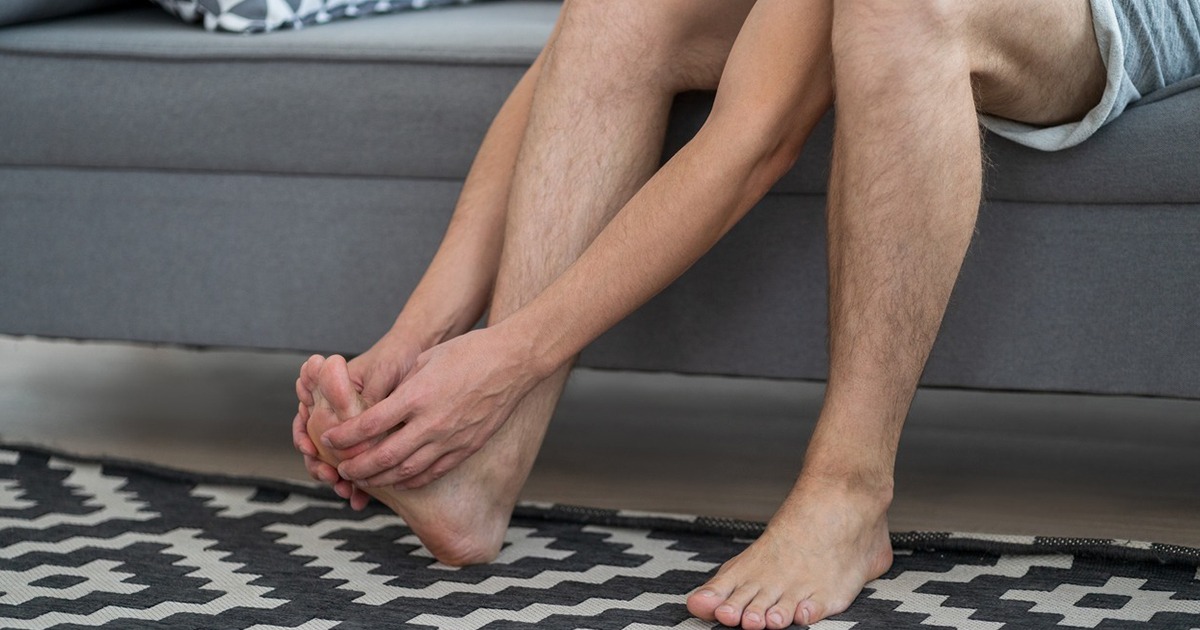
The top of your foot, known clinically as the dorsal region, contains the metatarsal bones, delicate extensor tendons, and multiple stabilizing ligaments. Because these structures bear high load forces during walking and running, even minor biomechanical flaws or improper footwear can cause severe inflammation and structural strain.
1. Extensor Tendonitis and Overuse Strain
The extensor tendons run along the top of your foot, allowing you to lift your toes and pull your foot upward. Wearing shoes that are tied too tightly, walking across steep inclines, or sudden increases in exercise can cause these tendons to become swollen and inflamed. Extensor tendonitis typically causes a persistent, aching soreness across the top center of your foot that worsens when you flex your toes or tie your shoes.
2. Metatarsal Stress Fractures
Stress fractures are tiny hairline cracks in the metatarsal bones, often caused by high-impact repetitive movement or sudden training shifts. Field athletes, long-distance runners, and individuals with osteopenia frequently experience these overuse injuries. Unlike general muscle soreness, a stress fracture causes sharp, localized tenderness directly over the bone that becomes sharper when bearing weight.
3. Midfoot Osteoarthritis and Joint Degeneration
Osteoarthritis frequently affects the midfoot joints where the tarsal and metatarsal bones meet. Over time, protective cartilage wears down, leading to bone spurs, joint enlargement, and deep aching across the top arch. Comprehensive management for foot and ankle arthritis focuses on stabilizing weight distribution, preserving joint range of motion, and calming localized inflammation.
4. Nerve Entrapment and Burning Sensation
When nerves running across the top of your foot become compressed by tight footwear, bone spurs, or localized swelling, you may experience sharp, burning pain, zaps, or localized numbness. Burning sensations or loss of feeling across your forefoot and toes can also signal broader metabolic nerve issues like peripheral neuropathy, requiring specialized clinical testing to pinpoint the exact source of nerve strain.
5. Lisfranc Joint Injuries and Midfoot Sprains
The Lisfranc joint complex connects the bones of your midfoot to your forefoot, maintaining your arch structure during movement. A severe twist, fall, or heavy impact can tear these critical stabilizing ligaments or fracture the surrounding bones. Lisfranc injuries cause extensive swelling, bruising on the top or bottom of the arch, and an inability to push off your toes safely.
6. Morton's Neuroma and Forefoot Irritation
While a neuroma originates between the toe metatarsal heads, the resulting nerve irritation often radiates across the top of your forefoot and toes. This condition feels like standing on a bunched-up sock or small pebble. Advanced non-invasive therapies, such as the M6 Robotic MLS Therapy Laser, help calm irritated nerve pathways and reduce surrounding tissue swelling.
7. Diabetic Foot Complications and Structural Changes
Living with metabolic conditions like diabetes can alter peripheral blood flow and nerve feedback, leading to Charcot foot joint collapse or undetected soft tissue trauma across the top of your foot. Routine diabetic foot care and specialized protocols for complex diabetic foot conditions ensure early risk detection, preventing severe tissue damage and protecting overall limb health.
Key Symptoms That Require Professional Podiatric Evaluation
While mild soreness from tight shoe laces may resolve with simple footwear adjustments, certain warning signs require prompt medical evaluation. You should schedule an appointment if you experience any of the following:
- Severe swelling or visible bruising across the top of your arch or forefoot.
- Pain that prevents you from bearing full weight on your foot.
- Sharp, burning sensations, tingling, or localized numbness in your toes.
- A visible bony lump or deformity on the top of your foot.
- Persistent pain that worsens over time despite rest and icing.
Modern Diagnostic and Treatment Options in Eastgate
Resolving top-of-foot pain requires identifying the exact structural cause through digital imaging, biomechanical gait analysis, and targeted physical exams. Depending on your diagnosis, conservative and advanced treatment options include:
- Prescription Custom Orthotics: Custom-molded insoles support your arch, relieve pressure on inflamed midfoot joints, and correct overpronation.
- Laser Therapy: Non-invasive laser energy decreases deep soft tissue inflammation, accelerates tendon healing, and relieves nerve pain.
- Immobilization and Bracing: Specialized walking boots or rigid braces protect healing stress fractures and Lisfranc ligament sprains.
- Surgical Reconstruction: For severe bone displacement, complex fractures, or joint damage, advanced reconstructive and surgical care or specialized ankle fracture surgery restores proper skeletal alignment.
Frequently Asked Questions
Why does the top of my foot hurt when I walk or tie my shoes?
Pain across the top of your foot when walking or wearing shoes is most commonly caused by extensor tendonitis or midfoot arthritis. Tight shoe laces or rigid shoe tongues press directly against the extensor tendons or midfoot bone spurs, causing friction and inflammation.
How can I tell if top of foot pain is a stress fracture or tendonitis?
Extensor tendonitis typically causes a broader, aching soreness along the tendons that worsens when flexing your toes upward. A stress fracture causes intense, pinpoint pain directly over a single bone that sharpens significantly when bearing weight or touching the bone.
What is the best way to relieve top of foot pain at home?
Initial at-home relief involves loosening your shoe laces, resting your foot, applying an ice pack wrapped in a towel for 15 minutes twice daily, and wearing supportive indoor footwear. If pain persists after several days, professional medical evaluation is recommended.
Can flat feet cause pain on the top of the foot?
Yes, having flat feet causes your arch to collapse inward during every step, placing excessive strain on the midfoot joints and stretching the extensor tendons across the top of your foot. Custom orthotics help realign your foot structure and eliminate this abnormal tension.
When should I seek immediate medical care for top of foot pain?
You should seek immediate medical attention if your pain follows a traumatic injury, if you cannot bear any weight on your foot, or if you notice severe swelling, sudden numbness, or bruising on the bottom of your arch.
Don't let top-of-foot pain disrupt your daily routine or limit your active lifestyle. If persistent arch, tendon, or joint discomfort is holding you back, expert podiatric evaluation is available right in your neighborhood. Schedule a comprehensive consultation at Progressive Podiatry on Eastgate Boulevard to receive a diagnostic assessment and personalized treatment plan designed for lasting relief.
Dr. Bryan Fallis, DPM is a board-certified foot and ankle surgeon with over 25 years of specialized clinical experience. certified by the American Board of Foot and Ankle Surgery and holding dual medical licensure in Ohio and Kentucky, Dr. Fallis provides advanced care at Progressive Podiatry. His practice encompasses non-surgical laser therapies, diabetic wound management, custom orthotics, and complex reconstructive surgery, delivering compassionate, evidence-based treatment to keep patients moving comfortably.