
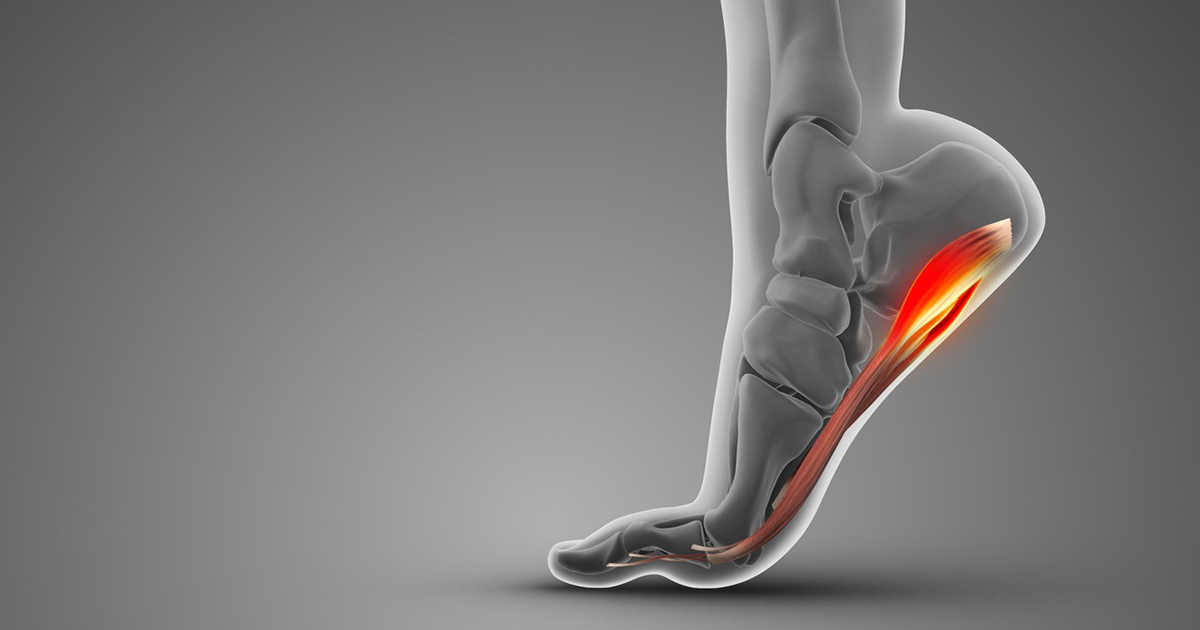
If your first steps out of bed feel like stepping on a tack, you have probably tried a long list of fixes. Some help a lot, some help a little, and some mostly cost you time. Plantar fasciitis responds to treatment, and the research gives useful clues about where to start. This post sorts through the options for plantar fasciitis pain relief in Cincinnati, OH, based on what the evidence supports.
What Plantar Fasciitis Is
The plantar fascia is a thick band of tissue that runs along the bottom of your foot from the heel to the toes. When it becomes irritated and degenerated from repeated strain, you feel plantar fasciitis as stabbing pain near the inner heel, usually worst with the first steps of the morning or after you have been sitting.1 It is the most common cause of heel pain in adults, with a lifetime incidence of about 10 percent, and it accounts for roughly 1 million medical visits each year in the United States.1
The encouraging news is that about 80 percent of cases improve within 12 months with nonoperative treatment.1 The goal is to shorten that timeline and keep the pain from returning.
Treatments With the Strongest Support
Targeted Stretching
Stretching is one of the most useful things you can do at home. In one study, a stretch aimed specifically at the plantar fascia improved heel pain by 52 percent at eight weeks, compared with 22 percent for Achilles stretching alone.1 A simple version is to sit, cross your affected foot over the opposite knee, and gently pull your toes back toward your shin until you feel a stretch along the arch. Doing this before you stand up in the morning can ease those painful first steps. Calf stretches still help, because a tight calf adds tension to the fascia.
Strengthening and Physical Therapy
Physical therapy builds on stretching with exercises that strengthen the muscles of your foot and lower leg. A structured program can also adjust how you load your foot during walking and exercise.
Supportive Shoes and Orthotics
Shoes with good arch support and cushioning reduce strain on the fascia. Foot orthoses can decrease pain in the short term, roughly seven to 12 weeks, although long term benefit is less consistent.1 Custom orthotics are an option when your foot shape, alignment, or activity level calls for support beyond what an insert from the store provides.
Treatments That Can Help Calm a Flare
Ice and Anti Inflammatory Medication
Icing your heel for 10 to 15 minutes, twice a day during the first few days of a flare, can calm soreness. Over the counter anti inflammatory medication may also help in the short term. These steps relieve symptoms but do not address the strain that caused the problem, so pair them with stretching.
Corticosteroid Injections
A corticosteroid injection may bring short term relief when pain is severe.1 Because the benefit tends to fade and repeated injections carry risks, injections are usually one part of a broader plan rather than a stand alone solution.
Night Splints and Taping
Night splints hold your foot in a gentle stretch while you sleep, and athletic taping supports the arch during the day. The research on night splints is mixed,1 but you may find them helpful for morning pain when other measures fall short.
Options for Stubborn Plantar Fasciitis
When symptoms persist despite consistent home care, other options come into play. Extracorporeal shock wave therapy may have a role in chronic plantar fasciitis that has not responded to conservative treatment.1 Our practice also offers MLS laser therapy, a noninvasive treatment delivered in short sessions, usually over 6 to 12 visits.
Surgery is rarely needed. If severe pain lasts six months or longer and limits your activities despite conservative care, a plantar fascia release may be considered. The procedure can be performed through an open or endoscopic approach.
When to Get Your Heel Checked
If your heel pain is not improving after a few weeks of home care, or you notice swelling, numbness, or pain that does not fit the usual pattern, an evaluation can confirm the diagnosis. Imaging may be used to rule out a stress fracture or a pinched nerve. Getting the diagnosis right early keeps you from spending months on treatments aimed at the wrong problem.
Frequently Asked Questions
How long does plantar fasciitis take to heal?
Most cases improve within a year with conservative care. Consistent stretching, supportive shoes, and activity changes can help you recover sooner.
Do I need custom orthotics for plantar fasciitis?
Not always. Many cases improve with supportive shoes and over the counter inserts, and custom orthotics are often considered when pain persists or your foot structure needs more specific support.
Is walking bad for plantar fasciitis?
Walking in supportive shoes is generally fine, but long periods of standing, going barefoot on hard floors, or sudden increases in activity can make pain worse.
Are heel spurs the cause of plantar fasciitis pain?
Not necessarily. A heel spur can show up on an X-ray even when the heel does not hurt, and the spur often remains after plantar fasciitis symptoms resolve.1
Where can I get treatment for plantar fasciitis in Cincinnati, OH?
You can be evaluated at our Cincinnati office on Aicholtz Road, where conservative care, laser therapy, and surgical options are available.
Finding Relief That Lasts
Plantar fasciitis usually improves with patience and the right mix of treatments, and you do not have to work it out alone. If morning heel pain keeps returning, you can request an appointment at our Cincinnati office to build a plan that fits your routine.
References
- Trojian T, Tucker AK. Plantar Fasciitis. American Family Physician. 2019. https://www.aafp.org/afp/2019/0615/p744
Dr. Bryan Fallis, DPM is a board-certified foot and ankle surgeon with over 25 years of specialized clinical experience. certified by the American Board of Foot and Ankle Surgery and holding dual medical licensure in Ohio and Kentucky, Dr. Fallis provides advanced care at Progressive Podiatry. His practice encompasses non-surgical laser therapies, diabetic wound management, custom orthotics, and complex reconstructive surgery, delivering compassionate, evidence-based treatment to keep patients moving comfortably.