
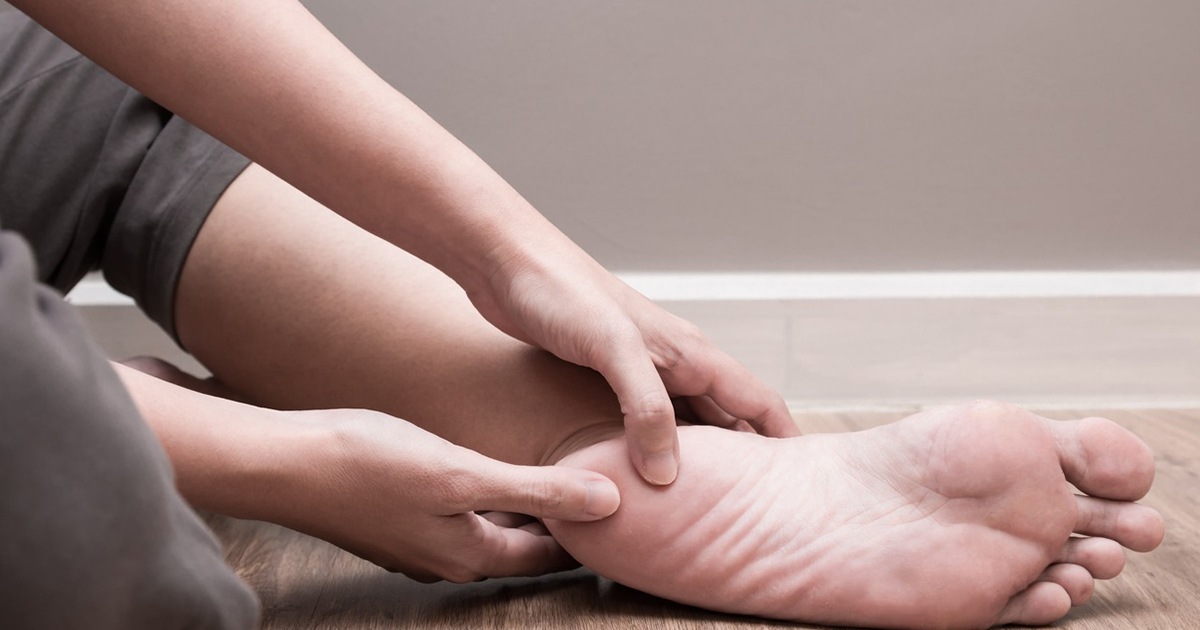
Heel pain can take over your day. It can greet you with your first step in the morning, flare after a run, or ache long after you sit down. The quickest path to relief starts with a few simple steps at home, followed by figuring out what is causing the pain. This post covers fast first steps for heel pain in Cincinnati, OH, and how to sort out the source.
Fast First Steps You Can Take Today
Give Your Heel a Break
Cut back on the activity that triggers your pain for a few days, especially running, jumping, or long periods on your feet. You do not have to stop moving entirely. Swapping to low impact activity such as cycling or swimming keeps you active while your heel settles.
Ice the Sore Spot
Apply ice to your heel for 10 to 15 minutes at a time, a couple of times a day during the first few days. Rolling your arch over a frozen water bottle combines cold with a gentle massage.
Stretch Your Calf and Arch
Tight calf muscles and a tight plantar fascia pull on the heel bone. Before you stand up in the morning, gently pull your toes back toward your shin for a few slow stretches. A stretch aimed at the plantar fascia improved heel pain more than Achilles stretching alone in one study, 52 percent compared with 22 percent at eight weeks.1 Wall calf stretches during the day help as well.
Check Your Shoes
Worn out shoes and flat sandals offer little support. Wear shoes with arch support and a cushioned heel, and avoid going barefoot on hard floors. Heel cups or cushioned inserts can take pressure off a sore spot right away.
Consider Short Term Pain Relief
Over the counter anti inflammatory medication may ease pain and swelling for a few days, provided it is safe for you. These first steps calm symptoms, but lasting relief depends on treating the cause.
Sorting Out the Cause of Your Heel Pain
Where and when your heel hurts offers useful clues. Heel pain can come from several different conditions, and the right treatment depends on which one you have.
Pain on the Bottom of the Heel
Sharp pain under the heel that is worst with your first morning steps points to plantar fasciitis, the most common cause of heel pain in adults.1Heel spurs often appear alongside it on X-rays, though a spur is not always the source of pain.1
Pain at the Back of the Heel
Pain and stiffness where the tendon meets the back of the heel may signal Achilles tendonitis. A firm, tender bump in the same area that rubs against your shoes could be Haglund's deformity, and inflammation of the small fluid filled sac behind the heel, called retrocalcaneal bursitis, can also cause pain here.2
Burning, Tingling, or Numbness
Burning pain along the inner heel and arch may come from a compressed nerve rather than a strained tissue.2Tarsal tunnel syndrome is one example, and it needs a different approach than plantar fasciitis.
Pain After a Fall or That Keeps Building
A fall from a height or a direct blow that leaves you unable to bear weight may mean a heel bone fracture.2 Pain that builds gradually with repetitive activity such as running may point to a stress fracture.2 Either needs prompt evaluation rather than home care alone.
How Your Heel Pain Is Diagnosed
An evaluation starts with your history and an exam to find exactly where the tenderness sits. Imaging such as an X-ray, CT scan, or MRI may help confirm the diagnosis, and blood tests are sometimes used when an inflammatory condition such as rheumatoid arthritis is suspected.
Treatment Once the Cause Is Clear
Most heel pain responds to conservative treatment, and about 80 percent of plantar fasciitis cases improve within 12 months without surgery.1 Depending on the cause, your plan may include stretching and physical therapy, heel cups or custom orthotics, night splints, corticosteroid injections, or extracorporeal shock wave therapy. Surgery is reserved for specific problems such as stubborn heel spurs, bursitis, or fractures that do not respond to other care.
Frequently Asked Questions
What is the fastest way to relieve heel pain at home?
Rest from the activity that triggers it, ice your heel, and stretch your calf and arch before your first steps of the day. Supportive shoes and heel cups can also bring quick relief.
When should I see a podiatrist for heel pain?
See a podiatrist if your pain lasts more than a few weeks, keeps you from normal activities, or started after an injury. Numbness, tingling, or swelling are also reasons to be checked.
Can heel pain be a sign of something serious?
Most heel pain is not serious, but it can occasionally signal a fracture, nerve compression, or an inflammatory condition. An evaluation helps rule these out.
Should I go barefoot if my heel hurts?
It is usually best to avoid going barefoot on hard surfaces. Supportive shoes or slippers with arch support reduce strain on your heel.
Where can I get my heel pain evaluated in Cincinnati, OH?
You can be seen at our Cincinnati office at 4415-B Aicholtz Rd, Suite 100, where diagnosis and treatment for all common causes of heel pain are available.
Getting Back on Your Feet Comfortably
Quick home care can take the edge off heel pain, and knowing the cause helps you stay comfortable for the long run. If your heel is still sore after a few weeks, you can request an appointment at our Cincinnati office.
References
- Trojian T, Tucker AK. Plantar Fasciitis. American Family Physician. 2019. https://www.aafp.org/afp/2019/0615/p744
- Goff JD, Crawford R. Diagnosis and Treatment of Plantar Fasciitis. American Family Physician. 2011. https://www.aafp.org/afp/2011/0915/p676
Dr. Bryan Fallis, DPM is a board-certified foot and ankle surgeon with over 25 years of specialized clinical experience. certified by the American Board of Foot and Ankle Surgery and holding dual medical licensure in Ohio and Kentucky, Dr. Fallis provides advanced care at Progressive Podiatry. His practice encompasses non-surgical laser therapies, diabetic wound management, custom orthotics, and complex reconstructive surgery, delivering compassionate, evidence-based treatment to keep patients moving comfortably.